
How Roof Maintenance Can Save You Money
Let’s talk about your roof and roof maintenance. It’s shielding your home from rain, snow, hail, and everything else Mother Nature throws its way. But if you neglect it, a minor issue like a crack or missing shingle can snowball into a costly disaster.
And guess what? It could mean filing an insurance claim that’s a headache for you and your wallet.
Don’t worry. We’re here to break down exactly why roof maintenance matters (in plain, simple terms) and give you easy tips to keep your roof in top shape. Because the truth is, a little TLC now can save you thousands in the future.
How Roof Trouble Can Lead to Bigger Problems—and Insurance Claims
Picture this: Your roof develops a small leak—maybe a damaged shingle or cracked flashing. It might not seem like much at first, but over time that leak lets water sneak into your attic or walls. Suddenly, you’re dealing with mold, ruined insulation, or even structural damage.
Next thing you know, you’re filing a homeowners insurance claim to repair water damage. While insurance can help cover those costs (depending on your coverage, of course), claims often come with a deductible and potential premium increases over time. Worst-case scenario? If the damage was caused by neglect (say you skipped necessary roof maintenance), your insurance company might deny the claim altogether.
And it’s not just leaks! Deterioration from wear and tear—think cracked shingles, sagging gutters, or clogged drainage—can lead to expensive issues like collapsing roofs or damaged ceilings.
Long story short? Roof problems not only hurt your home but also impact your wallet.
Roof Maintenance: Your Game Plan for Avoiding Costly Claims
Here’s the good news: A proactive approach to roof care can help you avoid most of these headaches. And the best part? Roof maintenance doesn’t have to be complicated or expensive.
Here are simple steps you can take to boost your roof’s lifespan and avoid damage:
- Inspect Your Roof Regularly
Make it a habit to inspect your roof at least twice a year—once in the spring and again in the fall. Look for:
- Missing, cracked, or curled shingles.
- Rusty or damaged flashing around vents and chimneys.
- Clogged or sagging gutters where water can pool.
Your safety is the most important thing, so if you do not feel safe or checking your roof is not a reasonable thing to do, grab a pair of binoculars or call a local roofing professional for a checkup.
- Clear Debris ASAP
Leaves, branches, and dirt can pile up on your roof and trap moisture. Over time, this can lead to rot or mold growth. Be sure to clear debris regularly (especially after storms) to keep things clean and dry.
- Trim Overhanging Trees
Trees near your roof can be trouble. Branches can scrape or damage shingles, while falling limbs can cause direct impact. Keep nearby trees trimmed to prevent damage and reduce debris.
- Check Your Gutters
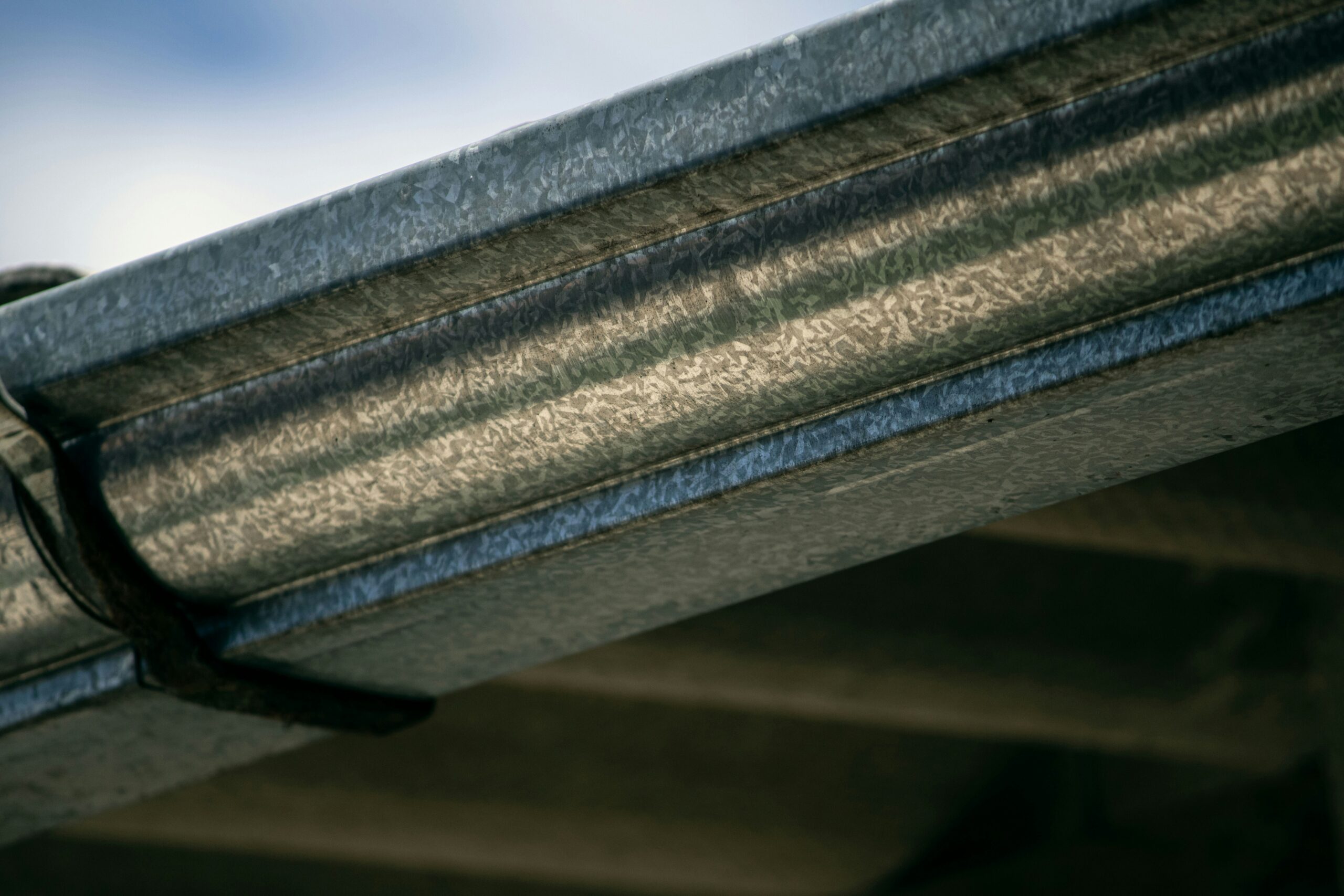
Clogged gutters are a recipe for disaster. If water can’t flow freely off your roof, it might pool and seep into your home. Clean your gutters regularly and check for sagging or leaks.
- Address Issues Early On
Even small repairs—like replacing a missing shingle—can make a big difference. Don’t wait for problems to escalate. If you spot damage during an inspection, fix it sooner rather than later.
- Schedule Professional Inspections
If you suspect issues and aren’t sure what to look for, hire a professional roofer to evaluate your roof’s condition. It’s a small investment that could save you big money down the line.
When Should You Consider Replacing Your Roof
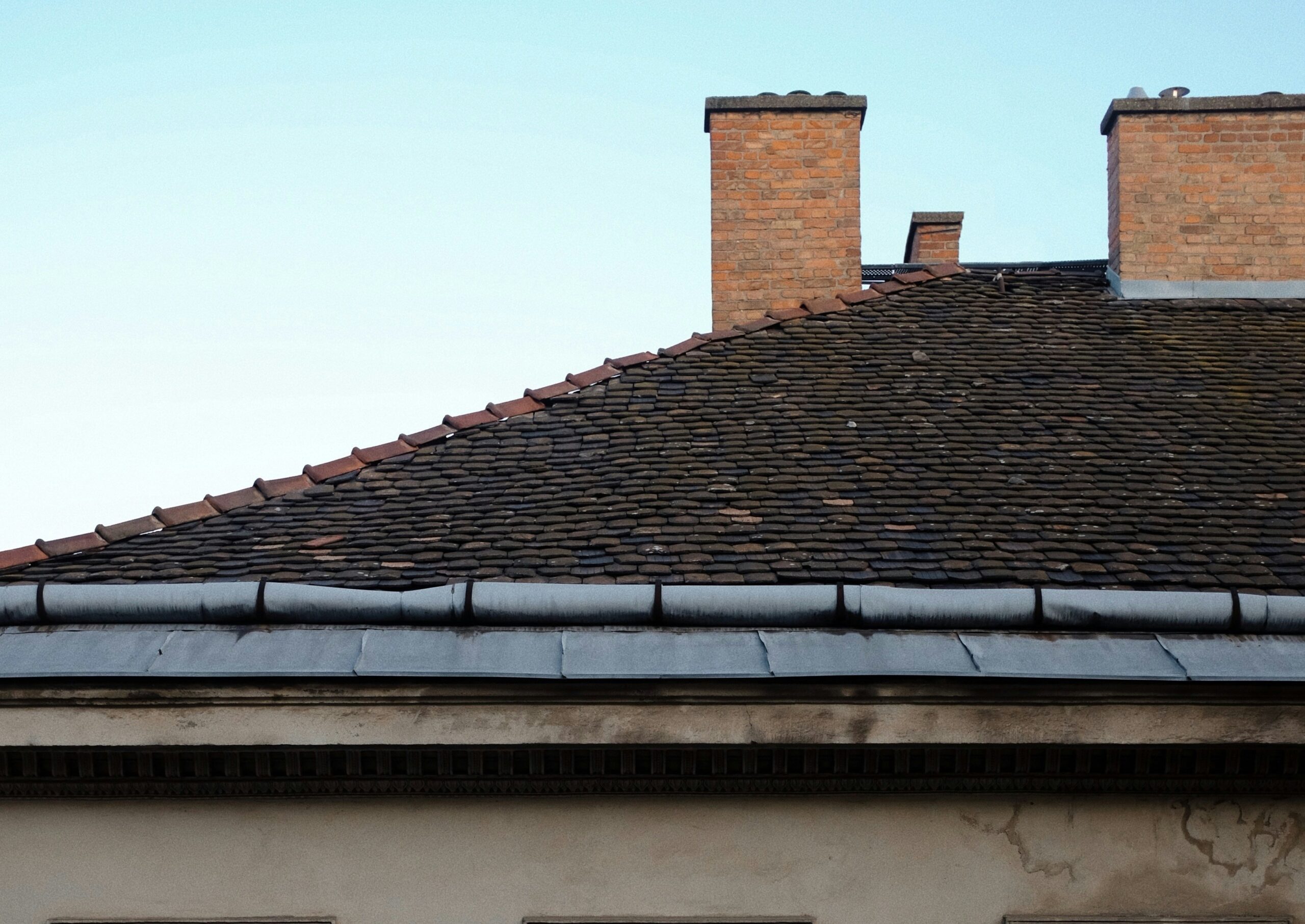
When it comes to your roof, knowing when it’s time to replace it can save you from headaches—and hefty expenses—down the road. Most roofs have a lifespan of 20-30 years, depending on the material (asphalt shingles typically last 20-25 years, metal and tile can go longer). If your roof is nearing the end of its lifespan, or you’re noticing major issues like curling shingles, bald spots, or persistent leaks, it’s time to seriously consider a replacement. Why? Because waiting until it’s too late could mean dealing with water damage, mold, or structural problems that cost far more than a new roof. Think of it as an investment in your home’s future.
Here’s the kicker: Insurance companies tend to view aging roofs as a risk. If your roof is too old or poorly maintained, they may deny claims for damage caused by wear and tear or deterioration—not exactly the kind of news you want to hear when dealing with a problem. Some insurers might even require proof of your roof’s age or condition before issuing a policy, and if your roof has seen better days, they could limit your coverage—or refuse to cover you altogether. Replacing your roof before it becomes a liability gives you peace of mind and ensures your homeowners insurance works for you when you need it most. After all, insurance is there to protect your home, not to cover damage you could have prevented with proper maintenance.
Roof Maintenance is Key—and Insurance Is Your Backup
Your roof is your home’s first line of defense, so taking care of it just makes sense. Regular maintenance helps avoid costly repairs and keeps your insurance claims to a minimum. And let’s be honest—no one wants to deal with damage or premiums rising because of preventable problems.
Of course, accidents happen. Roofs can take a beating from severe weather, falling trees, or other unexpected events. That’s why it’s important to have solid homeowners insurance in place as your backup plan.
Here’s the bottom line: Stay ahead of potential issues by giving your roof a little love. Inspect it, repair it, and keep it clean—and you’ll save yourself thousands in the long run.

Leave a Reply
Want to join the discussion?Feel free to contribute!